
How Mentoring Can Shape Your College Outcomes
Some of the most magical work we do with our students is guiding them in developing a “best fit” college list. We provide spreadsheets and questionnaires; we coach students on how to have successful campus visits and how to parse college mission statements. Parents ask about ROI per major and national rankings, and students are eager to know about campus housing, “vibes,” and dining options. All of this matters, but there is one factor that we know affects student engagement and ultimate success more than almost anything else, and many of us seldom think to ask it: who will be your mentors in college?
Brennan Barnard’s recent Forbes article, The Question Every College Applicant Should Ask, cites research from Connections Are Everything, written by researchers from Elon University’s Center for Engaged Learning, to argue that one of the most important factors predicting student success on campus relates to having academic and other mentors on campus. In the words of these researchers, the ideal setup is a “constellation of advisors.” One data point from the report is key in showing this is quality of relationship not quantity: “Forty-six percent of respondents with just one or two significant faculty or staff relationships rated college as ‘very rewarding,’ as compared to just 22 percent of those with no such relationships.”
Peter Felten at the Center for Engaged Learning also noted this: ““[A]lumni who reported having one professor ‘who cared about them as a person, made them excited about learning, and encouraged them to pursue their dreams,’ were more than twice as likely as their peers to be thriving professionally and personally— even many years after graduation.”
How can you determine whether the colleges on your list will offer such opportunities? There is a reason we really love small liberal arts colleges, and it is this: there are often organic possibilities for this type of interaction. But large schools can also offer opportunities for students to find their mentors. When you are researching colleges, try out these questions from Felten:
Ask an admissions officer or interviewer to tell you about a student who has meaningfully connected with a professor
Ask a current student or alum to tell you about a fellow student they have connected with in class
Ask a current student or alum about a professor or advisor on campus who inspired them
Our team read that research, nodded our collective heads, and wanted to share some of our own (long ago!) college experiences with you.
Abby
I had two incredible teachers in the theater department who inspired me so much. One gave me my first professional acting gig — I rode the subway up to a “real” theater and got to play a lead role with green hair. The other teacher was a very passionate woman who demanded a lot of me. She taught a class called “Acting the Greeks” where I really learned how to put the words of a script into my body. She dared me to be loud, confident, and honest– both on and off the stage.
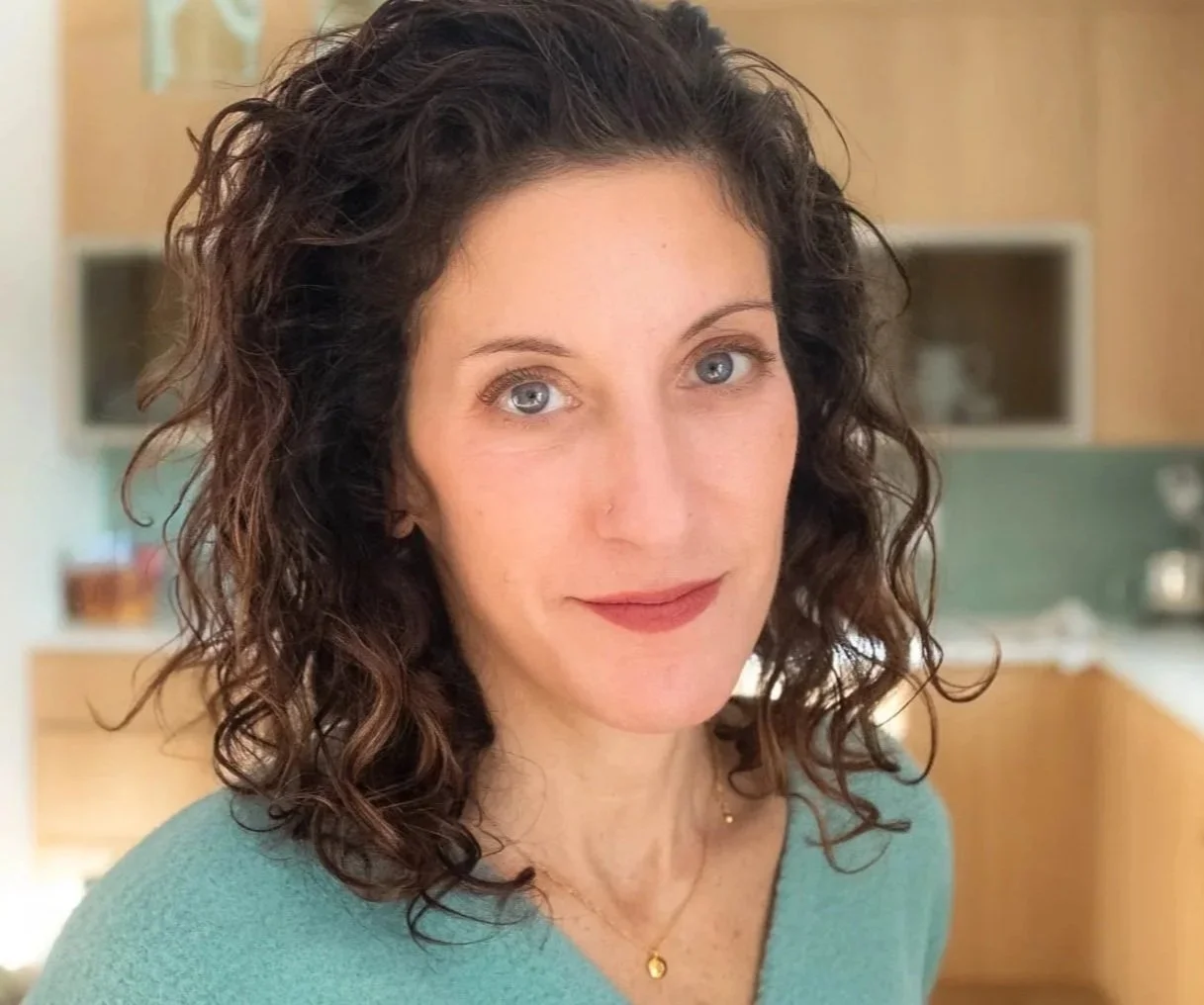
Stephanie
My dear Dr. Ellzey, who just retired as chair of the English department at Shepherd, wrote me a letter of recommendation to grad school a few years back– decades after I had graduated. We had remained in close touch over the years. During my time at school, I not only had the great fortune of taking her classes--Honors ENG 101 & 102 and Chaucer, among others--I also babysat for her daughter on a regular basis, which strengthened our personal relationship out of the classroom.
My theater director, Ed Herendeen, taught me that making my own work and telling meaningful stories through theater was more empowering than waiting to be hired for a gig. As an intern at The Contemporary American Theater Festival each summer I was in college, I learned every aspect of production, from casting and cultivating relationships with exceptional theatrical designers, to PR and company management. Because of his example and mentorship, instead of standing in open call lines, I aligned myself with like-minded artists and produced/performed/funded work that was deeply meaningful to me and my collaborators. When Ed came to see me on stage in New York, I was so proud to show him what I had taken with me from those years in the Block Box Theater at Shepherd and in the summers at CATF.

Christina
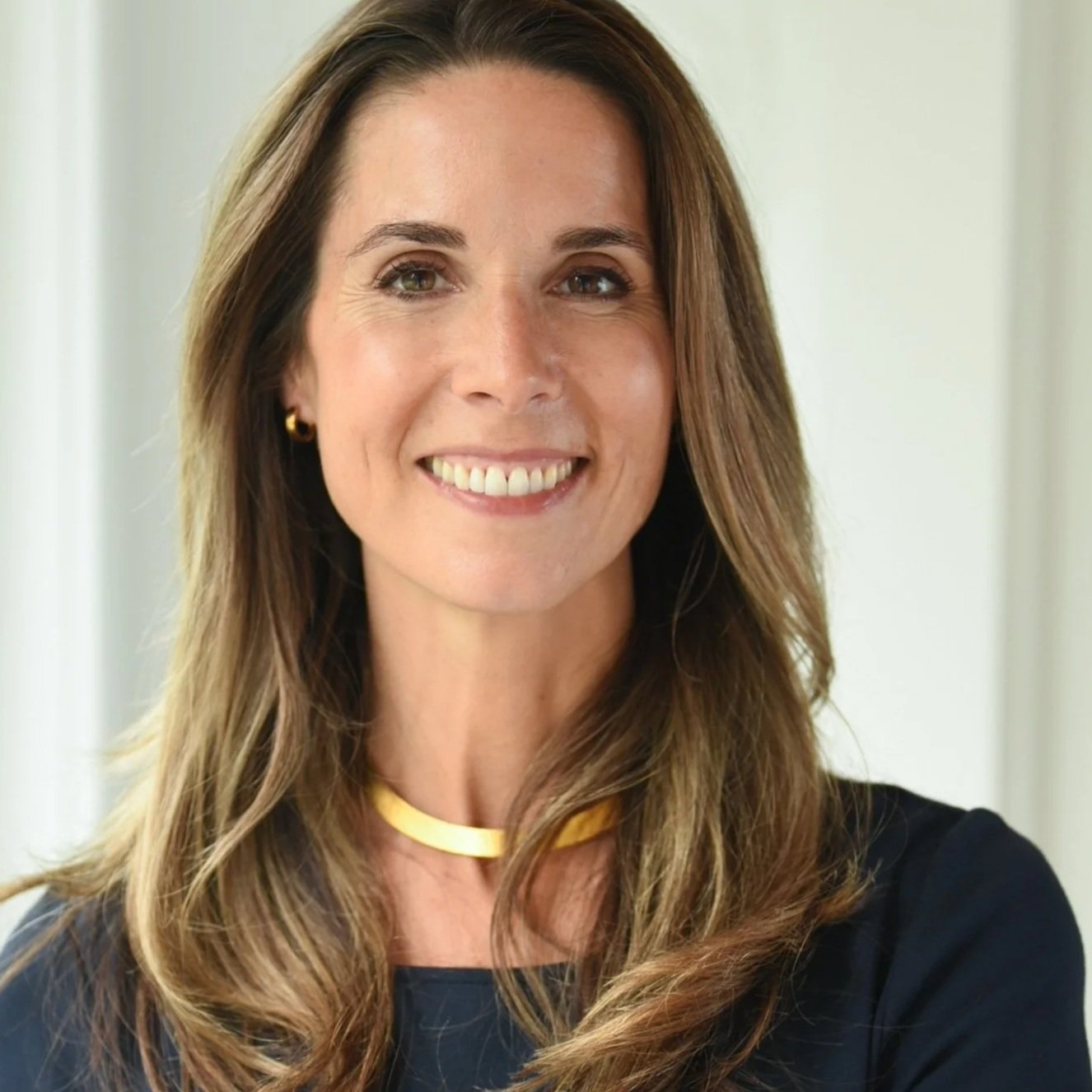
My jazz band director, Fred Berry, was a big part of my life all four years, as I was lead trumpet and managed the jazz band. I still deploy some of his advice to my own students, including this gem: “What’s the difference between the professional and the amateur? The professional writes it down.”
My sophomore year I got very sick in the winter from taking too many classes and completely skipping the sleeping part of college, and I had to go to all my professors with my tail between my legs to beg for extensions. I was in an Early Christian History course taught by Professor Bob Gregg, and I got to know him because of that. He was the kindest, most engaging man who later became my mentor, supervised my senior thesis, and wrote a letter of recommendation for me for law school. He still lives in my heart.